 By
By 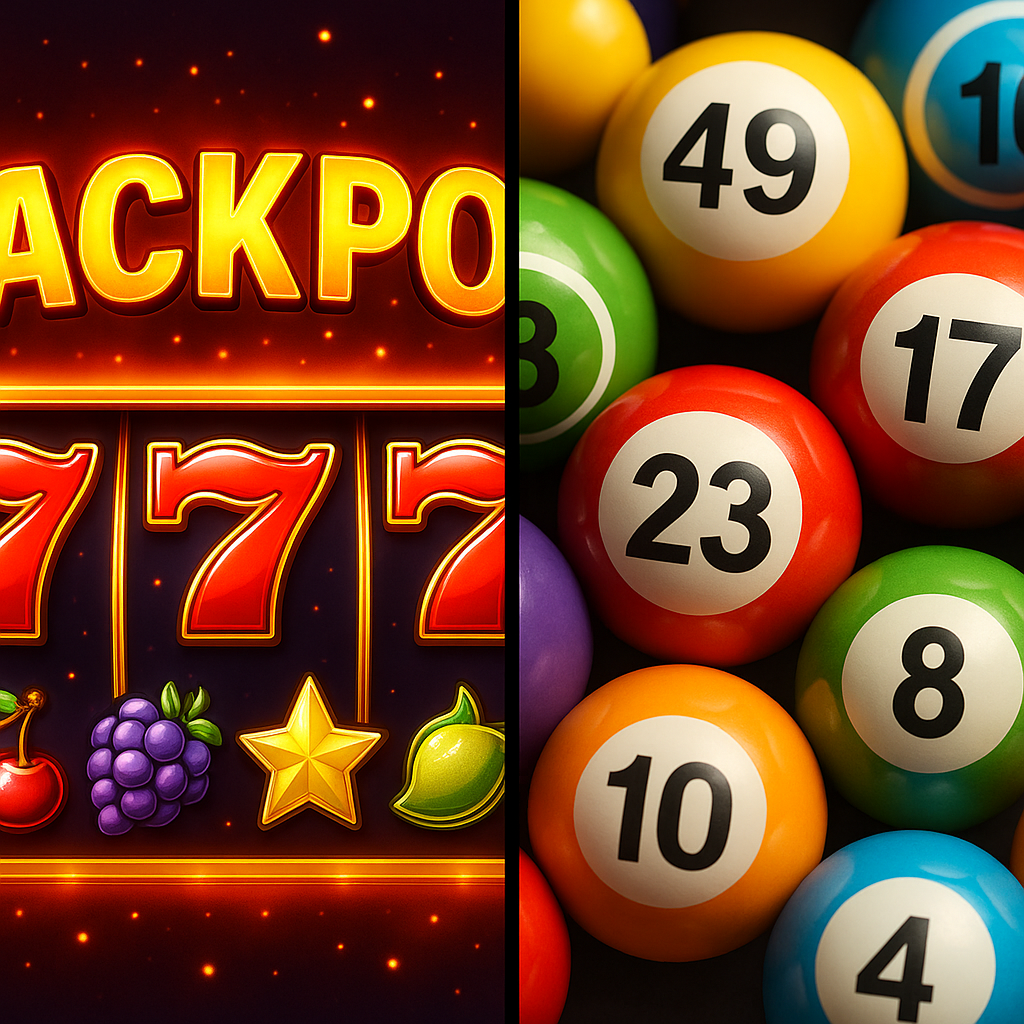
From bingo to slots and scratchcards, UK gambling habits differ by age, gender and culture. Here’s what the data and psychology tell us.
The Tale of Two Gamblers
At Mecca Bingo in Sheffield, Jean plays every Wednesday with her friends. She’s 67, lives alone, and says, “It’s not about the money — it’s the laughs.”
Meanwhile, 27-year-old Callum scrolls through his phone on the train, spinning a slot called Big Bass Bonanza. He’s got headphones in and his eye on the flashy graphics — not the odds.
Both are gambling. But they’re chasing entirely different things.
What explains this divide? Why do older women dominate bingo halls and online bingo rooms like tombola and Buzz, while younger men flock to flashy slots or scratchcards? The answers lie in a mix of culture, psychology, and game design.
Bingo, Slots and Scratchcards: Who Plays What?
A major UK study of bingo players found that older women make up the core audience, many playing once or twice weekly (Griffiths & Bingham, 2002). These players also frequently engage with the National Lottery and scratchcards, but rarely visit casinos.
In contrast, younger players — particularly men — gravitate toward online slots and table games. They favour faster, reward-driven play and spend more per session (LaPlante et al., 2005).
Bingo has long served as a social hub for working-class women, offering not just a game, but routine, community, and conversation.
Scratchcards sit somewhere in between: accessible, anonymous, instant. More than 40% of bingo players surveyed also bought scratchcards regularly.
Different Games, Different Brains
Motivations matter. One UK-based study broke down gambling into six key motivations: fun, escape, competition, socialisation, learning, and winning money.
Bingo players typically seek escape and community. Slots players pursue excitement, challenge, and quick wins. Scratchcard buyers? A little of both, but with a heavier focus on fantasy and reward-seeking, especially among those with lower financial literacy (Becchetti et al., 2016).
These differences aren’t just psychological — they’re cultural. Bingo still holds a place in Britain’s community halls and working men’s clubs. Slots and scratchcards, meanwhile, dominate mobile platforms and supermarkets.
Design Matters: Social vs. Solitary Play
Bingo is social by design. Whether it’s Buzz Bingo in Wolverhampton or tombola Arcade on mobile, players join games at the same time, often with live chat. The stakes are low, and the vibe is communal.
Slots are solitary. You’re the only player. The machine sets the pace. And increasingly, UK slots are themed around video game tropes and pop culture IPs — built for private play.
Scratchcards strike a balance: they’re often bought casually — at the corner shop or petrol station — and scratched privately. But the appeal remains social: sharing a win, even a small one, is often the goal.
Online design now blends all of these. Slingo fuses slots and bingo. Instant win games like Monopoly Scratch add themes, animations, and micro-games. These hybrids reflect the blurring of demographics online.
Speed, Feedback and Risk
Game speed is a major factor. Bingo is slow and paced, with results every few minutes. Slots offer rapid-fire feedback — sometimes hundreds of spins per hour. Scratchcards are instant.
This impacts how people feel and behave. Fast games tend to raise arousal and shorten attention to risk, while slower games allow more time for reflection.
Even within slots, volatility affects experience. A 2021 UK study showed that high-volatility slots led to longer sessions and bigger losses in a casino setting — but had no consistent effects in a bingo-branded environment, according to Percy et al., 2021.
Cultural Legacy and Marketing
Bingo’s image has shifted from old-school to online chic, but its cultural roots remain. It’s still framed as friendly, casual, and domestic — a “safe” entry point to gambling.
Slots and scratchcards are heavily advertised, often promising excitement or escape. These cues appeal to different instincts — and different people. Young men are more responsive to novelty and visual intensity, while older women are drawn to familiarity and repetition.
The Gambling Act 2005 cemented this divide by regulating games based on perceived risk. Bingo halls got more leeway. Online slots? Stricter oversight and safer design requirements (Reith, 2008).
Who’s at Risk?
Each group has vulnerabilities. Scratchcard players often overestimate their odds and are less financially literate, making them susceptible to overspending.
Young online slot players may chase losses faster, particularly if they’re drawn in by aggressive marketing and immersive design. Meanwhile, older bingo players can build up frequent low-stakes play into meaningful financial and time commitments over months or years.
Even so, most people who play any of these games do so casually. But understanding why people prefer what they do is crucial for designing safer, more sustainable experiences.
Different Games, Different Needs
Whether it’s jackpots or bingo balls, game preference isn’t random — it reflects deeper patterns of age, gender, social context, and cultural meaning. One person’s escape is another’s excitement. One’s routine is another’s risk.
For game developers, operators and regulators, the takeaway is clear: one-size-fits-all design and policy doesn’t work. We must account for real human differences — and design accordingly.
