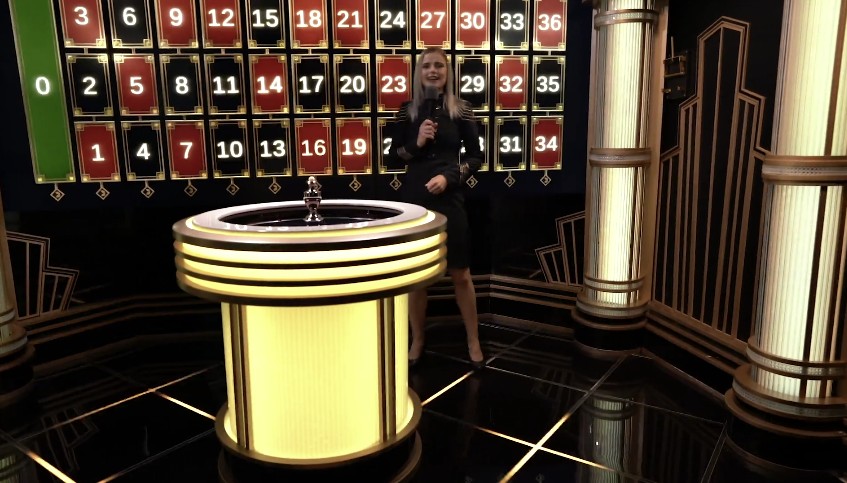
Live casino used to be literal: a felt table, a dealer in a waistcoat, and the comfortable mathematics of roulette or baccarat. Then Evolution took that format and wired it to the mains. In 2018 the studio launched Lightning Roulette, wrapping classic European roulette in a black-and-gold art-deco set, adding a wall of crackling “lucky numbers”, and—crucially—bolting on random multipliers (50×–500×).
The result felt part casino, part game show, part Instagram stage set. Viewers didn’t just watch a wheel; they waited for lightning to strike.
A few years later “Lightning” is a franchise:
Lightning Roulette and its risk-amped sibling XXXTreme Lightning Roulette; Lightning Dice with its Perspex tower; Lightning Dragon Tiger for minimalist card play; Lightning Bac Bo and Lightning Baccarat for high-rollers who prefer totals to wheels;
plus operator-specific show formats you’ll see in lobbies as Lightning Storm or Lightning Ball.
The promise is consistent: traditional rules, TV-grade production, and random super-charged payouts.
What the “Lightning” twist actually does
The pitch is simple.
In each round the game applies multipliers to a subset of outcomes—numbers on roulette; totals in dice; card values or sides in baccarat/Dragon Tiger.
If your bet lines up with a struck outcome, payouts can leap from standard odds to game-show territory (up to 500× on Lightning Roulette; up to 2,000× on XXXtreme Lightning Roulette).
There’s a trade-off.
To bankroll those headline multipliers the base odds are reduced. On Lightning Roulette, straight-up hits pay 29:1 (instead of the European standard 35:1) unless your number is electrified. On baccarat and Dragon Tiger, certain boosted results only pay if a lightning-tagged card forms part of the winning hand.
The games are still governed by the house edge you’d expect from their core rules, but variance is higher: long stretches of ordinary results punctuated by rare, camera-ready spikes.
Why players like them
1) Spectacle. These games look expensive. The lighting, camera cuts, music cues and presenter patter make a two-minute round feel like live TV. It’s interactive theatre compared with the static animations of RNG tables.
2) A new risk/reward curve. Classic roulette is patient; Lightning is punchier. Players who might ordinarily fire one or two straight-up bets now spread chips wider chasing “just in case it strikes” moments. Even budget players feel they have a pathway to a big headline win.
3) Social energy. Streams are shared: you and thousands of others experience the same strike and the same “did you have it?” moment. Built-in chat and round-by-round stats amplify that feeling.
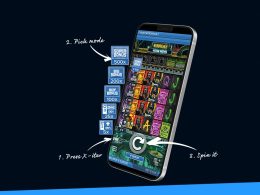
4) Mobile-first pace. The rounds are quick, the UI is clean, and tools such as favourites, special bets, repeat/autoplay and last-500 spins make phone play effortless.
What to watch out for
Lower base payouts. That 29:1 straight-up on Lightning Roulette matters over time. Unless you snag multiplier hits, you’ll feel the drag versus standard wheels.
High volatility. Multipliers are random and don’t owe you. It’s normal to see several rounds without a strike you’ve bet—then two in a row you weren’t on.
Entertainment over optimisation. Skilled advantage is limited; the edge comes from bankroll discipline rather than strategy. If you crave pure math elegance, an unadorned European wheel or standard baccarat shoe remains the better fit.
The core lightning games (and how they differ)
Lightning Roulette (Evolution, 2018)
The original. European single-zero wheel, 1–5 numbers are electrified each round for 50×–500×. Straight-ups pay 29:1 unless boosted. Best for players who enjoy the classic rhythm but want occasional fireworks. It’s also the most broadly staked, with low minimums and comfortable table limits across UK operators.
XXXtreme Lightning Roulette
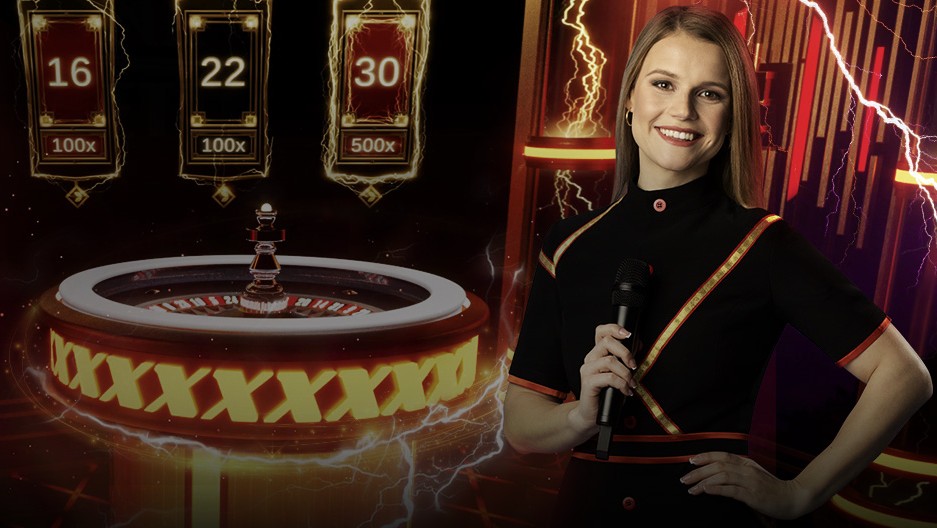
Same premise, dialled up. The game can apply Double Strikes and higher top-end multipliers—up to 2,000×—but compensates with even leaner base returns and more volatile rounds. The set is darker, the pacing edgier. Treat it as a high-octane variant rather than your daily driver.
Lightning Dice
Three dice are dropped through a transparent, stepped tower; you bet on the final total (3–18). Selected totals receive lightning multipliers—small totals such as 3 or 18 can spike to dramatic payouts. It’s the most visual of the series and the easiest to explain to new players.
Lightning Dragon Tiger
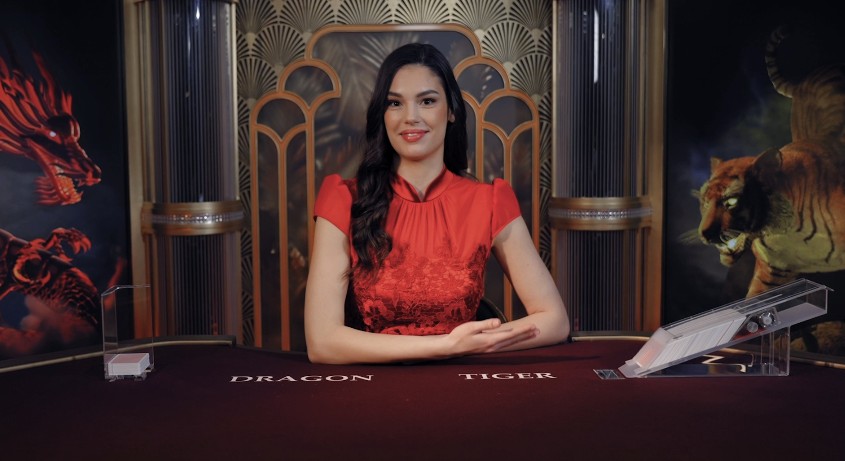
Two cards only: Dragon vs Tiger. You bet the higher side (or Tie) and wait seconds for the reveal. Lightning multipliers attach to pre-chosen card values; if that value forms part of the winning outcome, your payout rockets. A minimalist, rapid-fire table for players who want a clear 50/50-ish proposition with a twist.
Lightning Bac Bo
A dice-driven cousin of baccarat: two dice for Player, two for Banker; higher total wins. Multipliers can tag totals before the roll. The appeal is that baccarat feel—Player vs Banker—without the learning curve of drawing rules.
Lightning Baccarat
Stays closer to the card game. Before the deal, one or more cards are assigned multipliers; if those cards appear in the winning hand, the paytable boosts. It retains the elegance and betting menu (Player/Banker/Tie), but high-multiplier rounds can be infrequent.
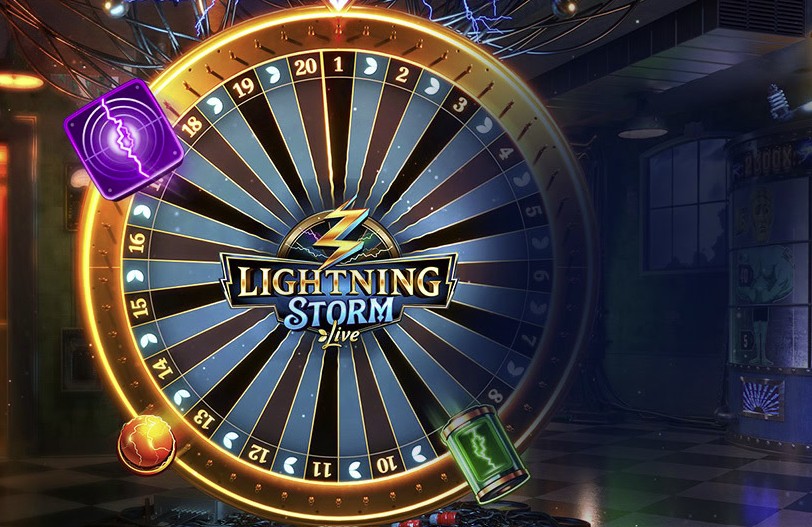
Lightning Storm / Lightning Ball (operator-branded shows)
What you’ll see in some UK lobbies are studio game-shows that borrow the Lightning look and language. The core is a prize wheel or number draw with multiplier strikes. They’re lighter, faster and more casual than the mainline tables—good for short sessions, less essential for purists.
How they change the economics of a round
Lightning games don’t break the math of roulette or baccarat so much as rebalance expectation. The house lowers routine payouts and “funnels” value into rare events. That produces a lottery-like profile layered onto table-game cadence.
For many players it hits a sweet spot: the clarity of roulette numbers or banker/player bets plus the dopamine of a slot bonus.
If you play for long sessions, volatility becomes the story. Stop-losses and time caps matter more than on a vanilla wheel. If you play in short bursts—five to ten rounds—you’re essentially buying a shot at a strike with the entertainment of a live show attached.
Practical settings that actually help
Most UK lobbies include saved favourites (so you can re-fire your number grids instantly), special bets (Voisins, Tiers, Orphelins etc.), autoplay/repeat, and a statistics pane with hundreds of prior rounds.
None of this changes the randomness—but it streamlines play and makes budgeting easier (e.g., saving a “lean” and a “spiky” layout and alternating between them).
Because multipliers are noisy and rounds are quick, bankrolls can drift faster than on a standard table. A healthy way to approach Lightning games: set a fixed number of rounds, not just a spend limit. If you haven’t seen a strike in that window, step away rather than stretching for “one more”.
Lightning games — quick comparison (UK typicals)
Stakes vary by casino. Ranges below reflect common UK tables; VIP lobbies may run higher ceilings.
| Game | Typical Min–Max Stakes | Max Multiplier / Distinctive twist |
|---|---|---|
| Lightning Roulette | ~£0.20–£2,000 | 50×–500× on 1–5 numbers; straight-ups 29:1 unless struck |
| XXXTreme Lightning Roulette | ~£0.20–£2,000 | Up to 2,000× via Double Strikes; higher volatility, leaner base |
| Lightning Dice | ~£0.10–£1,000 | Totals 3–18 with random boosts; highly visual tower drop |
| Lightning Dragon Tiger | ~£0.50–£5,000 | Dragon/Tiger/Tie with lightning-tagged card values |
| Lightning Bac Bo | ~£0.20–£3,000 | Dice totals for Player/Banker; pre-strike multipliers |
| Lightning Baccarat | ~£1–£5,000 | Random multipliers attached to cards; boosted hand wins |
| Lightning Storm / Lightning Ball | ~£0.10–£2,000 | Wheel/number-draw game-shows with lightning-boosted segments |
Note from PlayGuy.co.uk: table limits are operator-specific and may change by time of day or lobby; check the on-table placard before you bet.
Which one should you choose?
- For a first taste: Lightning Roulette. It’s the most familiar and offers enough strikes to feel the format without the spikiness of XXXtreme.
- For drama: XXXTreme Lightning Roulette. Treat it as your high-volatility sprint.
- For pure spectacle: Lightning Dice. The tower drop is oddly hypnotic and the UI is exceptionally clear on mobile.
- For minimalism: Lightning Dragon Tiger. Two cards, instant result, occasional super-pay rounds.
- For baccarat fans: Lightning Baccarat if you want cards; Lightning Bac Bo if you prefer totals and a quicker rhythm.
- For casual sessions: Lightning Storm/Ball-style shows—they make the most sense when you’ve got five minutes and want TV vibes with a stake.
When were they invented—and why?
Lightning Roulette (2018) is the origin point. Evolution’s insight was that live casino could be more than a webcam and a felt mat; it could be a show.
By injecting random multiplier events into a game everyone already understood, they made rounds more clip-worthy, more shareable, more suited to vertical video on a phone.
The rest of the series arrived over the following years, each applying the same electricity to a different backbone—dice, baccarat, Dragon Tiger—so every type of table player had a “Lightning” door to walk through.
It also solved a commercial problem. Live casino has tight margins; adding headline multipliers and studio gloss increases session value without reinventing the rules or alienating the mainstream player. The maths stays clean; the experience feels new.
The verdict by PlayGuy
Lightning games are the streaming era of table play: recognisable rules, dressed for prime time, punctuated by moments designed to trend.
They won’t beat pure European roulette or standard baccarat for long-horizon efficiency, and the volatility can bite if you chase strikes. But judged as entertainment with legitimate win potential, they’ve earned their place at the top of the lobby.
Take a seat, set your limits, save your layouts, and enjoy the show—lightning may not strike twice, but when it does, you’ll know why these tables built a franchise.