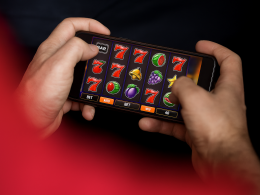
Beyond chasing wins: what drives Brits to gamble? A dive into boredom, grief, flow, stress, and identity in slots, bingo, and betting, or maybe to have fun and for some to earn money. Playguy.co.uk read some research to try to understand the motivation behind gambling.
The Opening Bet: More Than Just a Game
There’s a certain comfort in rituals. For some, it’s tea before bed. For others, it’s logging into a favourite bingo room on tombola, or spinning the reels on Pirots 3 after dinner. We might think of gambling as an adrenaline rush, but for many in the UK, it’s simply routine — a comforting pause button on life’s chaos.
Ask regular players why they play, and you won’t always hear “for the money.” You’ll hear “to unwind,” “for the chat,” or “because it’s something I do.” The reasons people gamble run far deeper than chasing wins. And understanding those reasons means stepping away from the stereotypes.
As Eric Berne wrote in his classic book Games People Play, “The moment of truth in any game is when the players recognise they’re playing.” His analysis of psychological games still resonates today — especially when you consider gambling not as vice, but as a subconscious script.
It’s Not All About Winning — And That’s the Point
Escapism and Everyday Stress
From the flashy promise of Aztec Inferno Gold Eruption to the rhythmic familiarity of Fruit Shop, many slots offer not excitement but escape. With bright visuals and soundscapes, these games offer immersive, repetitive patterns that help players tune out everyday stresses — like white noise, but with cherries and jackpots.
Research supports this. UK-based studies show gambling often functions as emotional self-regulation — especially among those facing stress or anxiety. In other words, people don’t play to win. They play to feel better (Biback & Zack, 2015).
A casual session on Big Bass Vegas Double Down Deluxe at Betway might be less about the fishing and more about casting away a long day at work.
The ‘Machine Zone’ and the Flow State
If you’ve ever zoned out while playing Gold Blitz Ultimate or 77 Deluxe Jackpot King, you may have entered the “machine zone.” Coined by anthropologist Natasha Dow Schüll, this is a mental state where time blurs, focus narrows, and play becomes automatic.
It’s closely related to the psychological concept of flow — a deeply satisfying state of immersion. Games with near-misses, rolling visuals, and fast spins (like Red Hot Repeater or Twin Spin) are designed to keep you in that space. Not frantic, but calm — a quiet high.
Players may not even be aware of how deeply engaged they are. But designers know. And UK casinos like Rialto or Dream Vegas capitalise on it — not through deception, but through perfect pacing and visual storytelling.
Bingo Isn’t Just for Grannies: The Power of Social Routine
While younger players might be drawn to Hot Chilli Peppers or Buffalo Blitz 2, many older Brits still find joy in bingo rooms like Mecca, Buzz, or Kitty Bingo. The game itself is simple, but that’s not the hook. The real attraction is the social atmosphere — the running gags in the chat room, the ritual of playing with familiar names.
It’s not about gambling. It’s about being. Being part of something light, friendly, and familiar.
A 2008 study found that regular bingo players weren’t particularly motivated by prize money. They played for community, structure, and escapism (Clarke & Clarkson, 2008). In some cases, bingo was even a stand-in for social clubs lost to pub closures or austerity cuts.
It’s why operators like Heart Bingo or Rialto can offer relatively low-stakes games — and still attract loyal players.
Slots and Identity: The Vibe Is the Hook
Take a scroll through any slot selection on Spin and Win, Grosvenor, or Barz Casino and notice the vibes: neon bling (Maximum Vegas), retro Americana (Route 777), fruit-themed nostalgia (Fruity Fortune, Berry Fury), or dark seduction (Sinful 7s).
These are more than themes — they’re signals. They speak to the type of player you see yourself as. Are you a thrill-seeker (Dragons of the Arcane), a cheeky chancer (Cashpots Blazinator), or a methodical spinner (Super Spinner Bar X)?
The best slot games don’t just offer mechanics — they offer identity alignment. Much like fashion or playlists, your slot preferences say something about your mood, taste, or fantasy self. Research backs this: players are often drawn to games that reflect or enhance their self-image.
Sports Betting: Belief, Control, and Masculinity
Bet365, William Hill, and SBK cater to a different kind of player. The sports bettor’s motivation isn’t repetition or escape — it’s knowledge, risk, and bravado.
Backers often see themselves not as gamblers, but as strategists. Their decisions feel informed — even if outcomes aren’t. And in a world that often strips away agency, putting money on the Six Nations or Premier League might be one way to reclaim control.
This kind of betting is particularly appealing to younger men. Studies show they’re motivated more by skill perception and social credibility than chance.
In pub chats and WhatsApp threads, these wagers become part of personal brand and group status.
Grief and Gambling: The Quiet Driver
One of the less acknowledged motivations for gambling is grief. After losing a partner, a job, or a sense of routine, many turn to gambling — not for thrill, but for structure and presence.
A slow scroll through Epic Dreams or the hypnotic reels of Diamond Drums can offer a kind of soft-focus reality. It’s not always sad, but it is always emotional.
Some players describe gambling as company — something to fill silence without conversation. It’s a stand-in for what’s missing. A 2015 paper identified a strong link between emotional trauma and habitual gambling, especially in people who don’t view themselves as gamblers at all.
These players aren’t looking to win. They’re looking to feel. Or, sometimes, not feel.
What We Can Learn from What People Play
| Motivation | Typical Games | Casino Sites | Research |
|---|---|---|---|
| Stress relief | Fruitinator, Sinful 7s, Big Catch 3 | Betway, Rialto, Barz | Biback & Zack, 2015 |
| Flow / immersion | Twin Spin, 77 Deluxe, Hot Chilli Peppers | Casimba, All British | Maeng et al., 2019 |
| Social routine | Heart Bingo, Buzz Bingo Rooms | Mecca, Kitty Bingo | Clarke & Clarkson, 2008 |
| Identity expression | Cashpots Blazinator, Fruity Fortune | Spin Rio, Dream Vegas | Abarbanel, 2014 |
| Grief and routine | Epic Dreams, Route 777, Diamond Jackpots | The Vic, Grosvenor | Forrest, 2015 |
To really understand why Brits gamble, you have to stop thinking like a regulator and start thinking like a psychologist. It’s not always about logic. It’s about ritual, identity, relief, and rhythm.
Each game — from Pirots 3 to Squealin’ Riches 2 — offers its own kind of comfort. Not because it guarantees a win, but because it gives something else: control, community, colour, or calm.
And in a world where more people feel disconnected, bored, or overwhelmed, those reasons are compelling. But also risky.
If you gamble, do it for the feeling, not the fortune. Set boundaries. Take breaks. And if gambling feels like the only escape, visit GambleAware.org or speak to a professional.